 Oliver Radcliffe
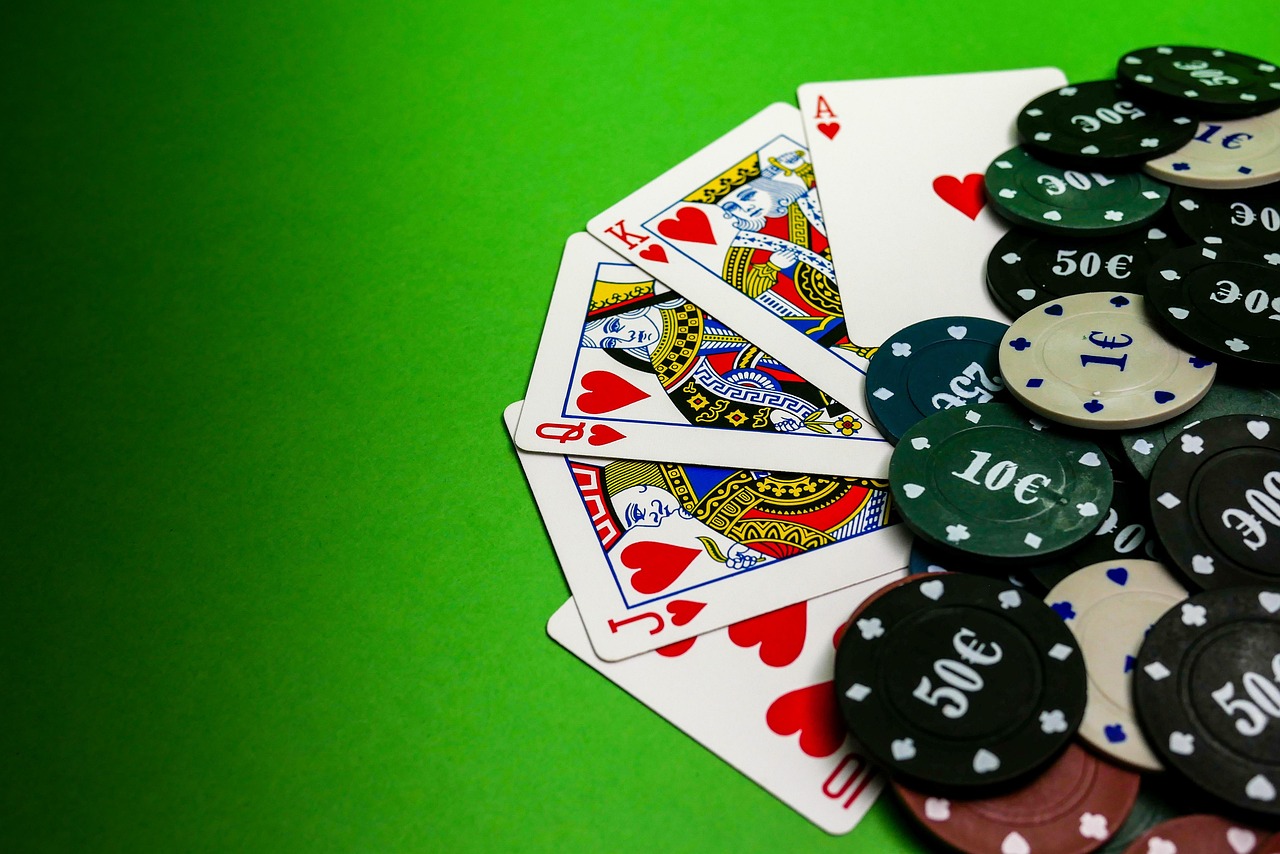
Every casino floor is a masterclass in human psychology. The lights don't flicker by accident. The slot machines sing in specific keys. The cocktail waitresses are instructed to keep the drinks flowing—not to get you drunk, but to keep you seated. The entire environment is engineered to make you stay five minutes longer than you planned. And those five minutes, multiplied across millions of players, is exactly how Vegas built its skyline.
But here's the thing: understanding the machine doesn't ruin the game. It makes you a better player. Whether you're spinning slots at 3 a.m., grinding a poker tournament, or sweating a parlay on a Sunday afternoon, the difference between a recreational player and a consistent winner isn't luck. It's math. Let's break down what actually separates them.
The House Edge: The Number Nobody Wants to Talk About
Every game in a casino has a built-in mathematical advantage for the operator. This is the house edge, and it's expressed as a percentage of every dollar wagered that the casino expects to keep over the long run. It's not a guarantee for any single session, but over millions of hands, spins, and rolls, it's as reliable as gravity.
Here's what the edges actually look like across common games—and this is where it gets interesting, because the range is enormous:
- Blackjack (basic strategy): 0.5% house edge
- Baccarat (banker bet): 1.06% house edge
- Craps (pass line with odds): 0.6% or lower
- European Roulette: 2.7% house edge
- American Roulette: 5.26% house edge
- Slots: 2% to 15%, depending on the machine and jurisdiction
- Keno: 25% to 35% house edge
- Big Six Wheel: up to 24% house edge
Look at that spread. A player who spends their evening on baccarat is playing a fundamentally different game than someone parked at the Big Six Wheel—even if they're both betting the same amount per hour. The game you choose matters more than the bets you make within it. That's a hard truth that many players never internalize.
Slot Volatility: Not All Machines Are Created Equal
Slots are the most popular game in any casino, and they're also the most misunderstood. Two machines sitting side by side can have identical house edges but completely different volatility profiles. Let me explain what that actually means.
Volatility (sometimes called variance) describes how the payouts are distributed. A low-volatility slot pays small amounts frequently. You'll grind along, your bankroll won't swing wildly, and you'll probably play for a long time before seeing a significant win. A high-volatility slot might go fifty spins without a payout, then drop a 500x multiplier on spin fifty-one.
Neither is "better." They suit different goals:
- If you want session longevity, look for low-volatility slots with high RTP (96%+).
- If you're chasing a life-changing hit on a small bankroll, high-volatility games give you that shot—at the cost of frequent dry spells.
- If you want a balance, medium-volatility games like Book of Dead sit in the middle and remain wildly popular for exactly that reason.
Always check the RTP that's published in the game's help menu. The difference between 94% and 97% RTP sounds trivial, but over 10,000 spins at $1 per spin, that's a $300 difference in expected loss. Three hundred dollars, just from choosing a different machine with identical visuals. And no, the machine isn't "due" for a payout—random number generators have no memory, and every spin is independent of the last. For a closer look, สล็อต has helpful details.
Poker: The Only Game Where You Play Against People, Not the House
Poker is fundamentally different. You're not fighting an edge—you're fighting other players, and the casino takes a rake regardless of who wins. This means skilled players can achieve a positive expected value over time, which is essentially impossible in pure chance games.
But the learning curve is brutal. Here's the progression that actually works for serious players:
- Learn the rules and hand rankings cold. If you have to think about whether a flush beats a straight, you're not ready to play for money.
- Master position. Playing from late position (button and cutoff) gives you information and control that early positions simply cannot match.
- Study pot odds and implied odds. You need to know when a call is mathematically profitable, not just emotionally appealing.
- Work on range reading. Advanced players don't put opponents on a single hand—they construct a range and adjust as action unfolds.
- Track everything. Tools like a hand history tracker will show you leaks that no amount of self-reflection can find.
The rake is the silent killer. In low-stakes live games, raking $5 per hand out of a $50 pot is 10%—a devastating figure. This is why serious players gravitate toward higher stakes where the rake is proportionally smaller, or move online where rakes are transactional and often capped.
Bankroll Management: The Skill Nobody Brags About
Here's the uncomfortable truth: the best handicapper in the world will go broke with bad bankroll management. And a mediocre slots player can play for years on a disciplined budget. Bankroll management is the unsexy skill that separates those who survive from those who don't.
The standard rules are tougher than most casual gamblers think:
- Sports betting: 1-2% of bankroll per play, 3-5% for high-confidence plays at most.
- Poker cash games: at least 20-30 buy-ins for the stake you're playing.
- Poker tournaments: 50-100 buy-ins, because variance in tournaments is devastating.
- Slots and table games: define a session budget and treat it as gone before you sit down.
The mental shift is this: once your bankroll is replenished after every loss, it stops being a bankroll and becomes a subscription. Real players treat their roll as a business asset. Drawdowns are part of the game—a 20% downswing is normal even for winning players—and staying calm through them is the actual test.
The Online vs. Live Divide
Online casino games typically have better odds than their live counterparts. Online slots often return 96-97% RTP versus 88-92% for physical machines, because online operators have lower overhead. Online blackjack follows fewer rules variations, so basic strategy edges are more predictable. The trade-off, of course, is that the experience is a screen—and there's no shortage of operators hoping you'll click "deposit" without thinking.
Live games give you the psychological read that screens strip away. You can see the veteran who's been nursing the same drink for two hours. You can spot the tourist who's only playing tight because they're afraid. Online, everyone's a disembodied username, and the information you're left with is purely statistical.
Neither format is superior. But recognize which one you're built for. If you're prone to autopilot, avoid the online arena. If you're prone to tilt and need a bit of social pressure, live games can keep you grounded.
What Actually Matters at the End of the Day
Gambling is entertainment first. If you ever find yourself treating it as a way to solve a financial problem, stop immediately—that's the exact mindset the machine is designed to exploit. The players who win over years are the ones who treat the math seriously and the money casually, in that exact order. Everything else—the bonuses, the VIP tiers, the free spins—is marketing on top of a math problem.
Learn the edges. Pick the games where the house advantage is the thinnest. Set hard limits before you start. Walk away on schedule, not on feeling. Do that, and you'll at least be in the small percentage who understands exactly what game they're playing. That's more than most ever manage.


